Dramatic Archetypes in the Legal World – and How to Counter Them
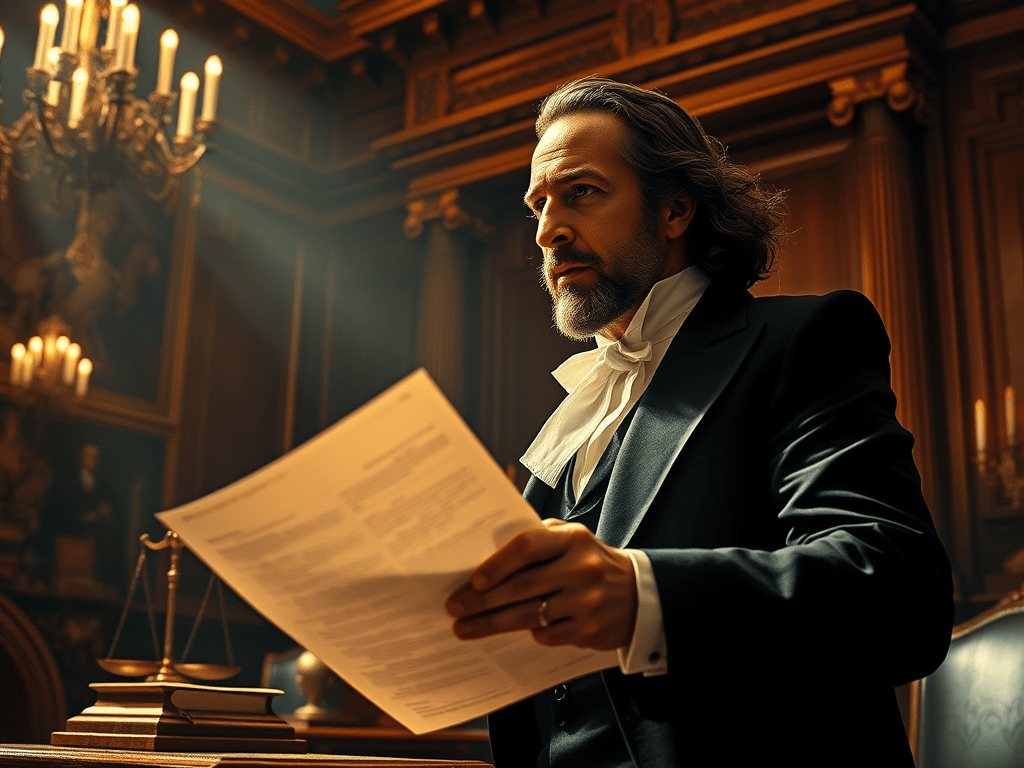
Litigation, for all its procedural decorum, is theatre. There’s a script (your pleadings), a stage (the courtroom), a captive audience (jury or judge), and, most importantly, characters.
Now, some attorneys enter the courtroom like extras in a background deposition scene – unmemorable, beige, and possibly replaced by AI by 2030.
But others?
Others arrive like they were written by Shakespeare.
These are not mere lawyers. They are archetypes. Dramatic, flawed, overconfident. They speak in monologues. They dress with too much flourish. They use the word “thus” unironically. And when you face them in court, your trial strategy must include not just objections and evidentiary prep – but dramaturgy.
So allow me, counselor, to introduce five Shakespearean villain archetypes you’re likely to meet across the aisle – and how to defeat them without soliloquizing yourself into a corner.
1. The Iago: The Charmer with a Hidden Dagger
You know this one. Slick. Affable. Makes everyone laugh at the pretrial conference. Quotes case law with a twinkle in their eye. And then – without warning – they bury a footnote on page 34 of their motion in limine that guts your expert like a holiday goose.
Their Tactic: Misdirection. Charm the court, poison the record, and do it all with plausible deniability.
Your Countermove: Channel Emilia. Expose the duplicity before it festers. Call it out with calm precision. And document everything. Iago thrives in whispers; drag him into the footlights and he withers.
2. The Lady Macbeth: The Ruthless Strategist with Bloody Hands
This is the lawyer who files five motions before breakfast. She is brilliant, relentless, and possibly hasn’t blinked since discovery began. She will subpoena your mother if it serves the narrative.
Her Tactic: Overwhelm. Outmaneuver. Make you question your preparation, your choices, and your life.
Your Countermove: Sleep. Seriously. Rest is your weapon. Clarity is your shield. Respond with surgical focus, not matching fury. And remember – Lady Macbeth unravels not from opposition, but from the weight of her own ambition. Be the mirror. Let her see it.
3. The Richard III: The Scene-Stealer with a Limp and a Plan
Charming in an unctuous, unsettling way. Always playing to the gallery. Lives for the dramatic objection. Considers voir dire an audition. You suspect they rehearse in the mirror.
Their Tactic: Courtroom as cabaret. Every motion becomes a performance. Every pause, a beat. Every argument, a chance to manipulate the narrative.
Your Countermove: Don’t join the show. Ground yourself in the facts like a well-built prologue. Judges tire of theatrics when not balanced by substance. Be the grown-up in the room. Let them monologue. Then object…politely…and win.
4. The Edmund: The Smiling Sociopath Who Plays the Underdog
This one’s dangerous. They posture as the scrappy nobody. They mutter about being “just a small firm” while casually citing unpublished decisions from 1994 that somehow support their impossible theory to deny liability. They weaponize humility and feed you just enough truth to earn your trust.
Their Tactic: Undermine from below. Pretend to lose while actually controlling the tempo.
Your Countermove: Don’t underestimate. Ever. Vet every citation, challenge every “small oversight,” and watch for narrative traps. Edmund doesn’t seek justice – he seeks control. Take it back.
5. The Hamlet: The Eloquent Overthinker Who Might Self-Destruct
They write 70-page motions. They cite Derrida in closing arguments. They pause dramatically before every response, as if each answer costs them a part of their soul. Brilliant, yes. But also dangerously close to talking themselves into defeat.
Their Tactic: Confuse. Obscure. Bury the court in abstraction.
Your Countermove: Clarity. Simplicity. Win on the facts, not the existential crisis. The jury doesn’t want a philosophy lecture. They want to know who ran the red light. Be the Fortinbras: concise, direct, slightly boring – and victorious.
Final Act: Know the Play You’re In
Recognizing the archetype isn’t just fun – it’s strategy. Because once you know the script your opposing counsel is following, you can flip it. Undercut the drama. Disarm the villain.
Just don’t forget – you’re playing a role too. Maybe you’re the Prospero: seasoned, methodical, conjuring magic through years of study. Or maybe you’re the Fool, dispensing truth in jokes. (Underrated trial tactic, honestly.)
The key is to know your scene, hit your marks, and never let someone else’s drama become your downfall.
Because in the courtroom – as in Shakespeare – character is fate.
And the best lines go to those who understand the craft.
 Brian Brijbag