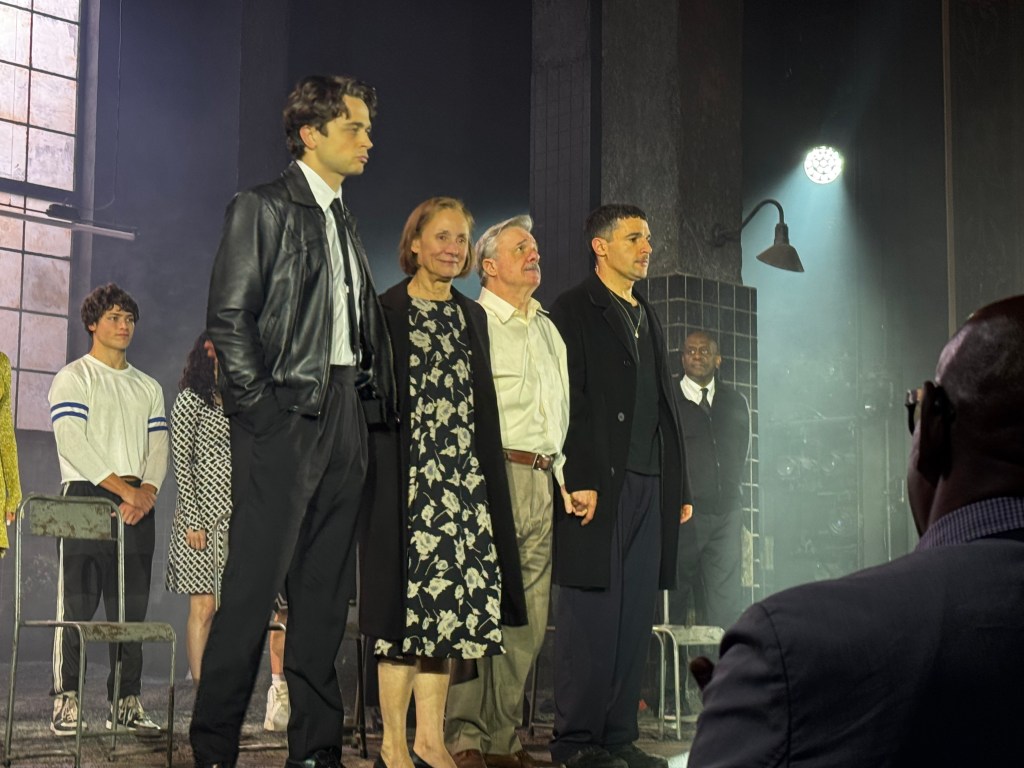
There are some plays that entertain. There are some plays that impress. And then there are plays that reach into your chest, grab hold of something deeply human, and refuse to let go long after the curtain falls.
On the evening of June 13, 2026, I had the privilege of seeing Death of a Salesman, and I left the theater reminded why Arthur Miller’s masterpiece continues to be regarded as one of the greatest American plays ever written.
I have read the play. I have studied the play. I have seen productions of the play. None of that prepared me for the emotional impact of seeing this particular cast bring these characters to life.
At its heart, Death of a Salesman is not really about sales. It is not even about business. It is about dreams. It is about expectations. It is about fathers and sons. It is about love, disappointment, regret, pride, and the stories we tell ourselves in order to survive.
Most importantly, it is about the terrifying possibility that a person can spend an entire lifetime chasing a version of success that never truly existed.
That idea alone is enough to make the play powerful.

What makes it devastating is how recognizable the characters remain nearly eighty years after the play was first written.
Willy Loman is not simply a failed salesman. He is every person who has looked at their life and wondered whether the sacrifices were worth it. He is every parent who desperately wants more for their children than they had themselves. He is every dreamer who discovers that reality does not always cooperate with ambition.
Watching Willy struggle against a world that no longer makes sense to him is heartbreaking because there is no villain. There is no evil mastermind. There is only time, aging, memory, and the crushing weight of unmet expectations.
Arthur Miller understood something fundamental about human beings. We are not destroyed only by our failures. Sometimes we are destroyed by our inability to let go of our illusions.
That truth echoed through every moment of this production.
And at the center of it all was Nathan Lane.
I have admired Nathan Lane for years. Like many theater lovers, I first became familiar with him through his extraordinary comedic work. What makes his performance as Willy Loman so astonishing is that it reminds audiences of the depth and range of his talent.
This performance was extraordinary.
Lane captured every aspect of Willy. The confidence. The desperation. The charm. The denial. The humor. The fear.
There were moments when he commanded the stage with effortless charisma. There were moments when he seemed physically crushed by the weight of his own life. There were moments when he made the audience laugh. There were moments when he left the theater utterly silent.
What impressed me most was his humanity.
It would be easy to play Willy as a tragic figure from the beginning. Lane never does that. He allows us to see the man beneath the tragedy. We understand why people love him. We understand why his family continues to fight for him. We understand why he continues to believe even when the evidence suggests he should stop.
That humanity makes the ending all the more devastating.
If there were any justice in the world, every major acting award would find its way into Nathan Lane’s hands for this performance.
Of course, one of the reasons the play works so well is because Willy is not carrying the story alone.
Laurie Metcalf delivers a performance that is equally deserving of every accolade she has received.
Linda Loman is one of the most difficult roles in American theatre. The character can easily become passive in lesser productions. Metcalf refuses to let that happen.
Her Linda is loving, strong, frustrated, exhausted, compassionate, and resilient all at once.
Every time she entered the stage, the emotional center of the play shifted.
There is a tendency to think of Linda as simply the supportive wife standing beside Willy. Metcalf reveals the enormous strength required to keep a family together while watching someone you love slowly unravel.
Her performance is filled with moments of quiet brilliance.
A look.
A pause.
A shift in tone.
A simple line delivered with devastating honesty.
Some of the most emotional moments of the evening belonged entirely to her.
There were scenes that brought tears to my eyes not because they were loud or dramatic, but because Metcalf made them feel so painfully real.
Nathan Lane and Laurie Metcalf together created something extraordinary.
Their relationship felt lived in.
It felt complicated.
It felt authentic.
It felt like decades of shared history compressed into a few hours of theatre.
Just as impressive were Christopher Abbott and Ben Ahlers.
Both brought tremendous depth and emotional complexity to the roles of Willy’s sons.
The relationship between Willy, Biff, and Happy sits at the heart of the play. It is the engine driving every conflict and every heartbreak. Abbott and Ahlers understood that completely.
Christopher Abbott delivered a performance filled with intensity and vulnerability. His scenes with Lane were among the strongest of the evening. Every confrontation carried years of resentment, disappointment, love, and longing beneath the surface.
Ben Ahlers was equally compelling. He captured the complicated position of a son desperately trying to hold onto a version of the family story that is already slipping away.
Together, the four principal performers created a family dynamic that felt completely believable.
You did not feel like you were watching actors perform scenes.
You felt like you were witnessing the collapse of a family in real time.
What struck me throughout the evening was how often the audience laughed.
People who have never seen Death of a Salesman sometimes imagine it as a relentlessly depressing experience.
It is not.
Miller understood that life is never one thing.
People joke at funerals.
Families laugh during difficult times.
Humor and heartbreak often exist in the same conversation.
This production embraced that truth beautifully.
There were moments that drew genuine laughter from the audience. Those moments made the emotional scenes even more powerful because they reminded us of what these characters still had to lose.
The production design deserves tremendous praise as well.
The set was remarkably minimal, yet it never felt empty.
In many ways, it felt exactly right for this play.
Rather than overwhelming the audience with elaborate scenery, the production trusted the story and the performers.
The result was elegant and effective.
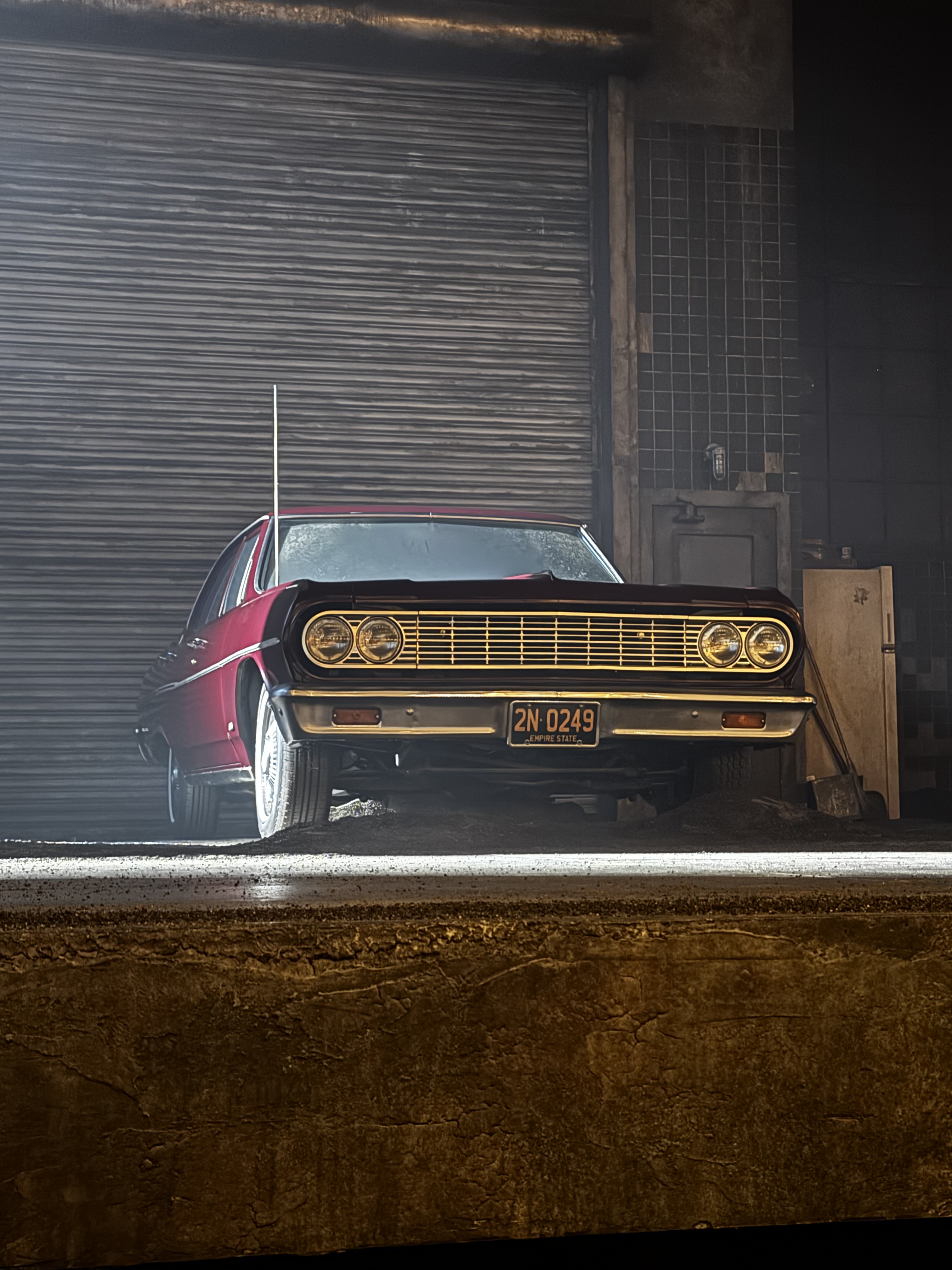
And then there was the car.
That iconic automobile remained a constant presence throughout the evening.
It served as more than a prop.
It became a symbol.
A symbol of work.
A symbol of freedom.
A symbol of ambition.
A symbol of the American Dream itself.
Its presence quietly reminded the audience of where Willy had been and where his choices would ultimately lead.
Sometimes the most powerful theatrical images are the simplest ones.
This production understood that.
As the evening progressed, I found myself increasingly emotional.
There were moments when I laughed.
There were moments when I smiled.
There were moments when I felt my throat tighten.
And yes, there were moments when tears came to my eyes.
Not because the production was manipulating emotion, but because it was telling the truth.
The truth about families.
The truth about aging.
The truth about regret.
The truth about hope.
The truth about the stories we tell ourselves.
That is why Death of a Salesman endures.
Decades after its premiere, it still speaks directly to audiences because it understands something essential about being human.
We all want our lives to matter.
We all want to be seen.
We all want to believe that our sacrifices meant something.
Arthur Miller captured those desires with astonishing clarity.
This cast brought them vividly to life.
By the time the final moments arrived, I was emotionally exhausted in the best possible way.
That is what great theatre does.
It challenges us.
It moves us.
It forces us to examine ourselves.
It leaves us thinking long after the lights come up.
This production accomplished all of that and more.
Nathan Lane was extraordinary.
Laurie Metcalf was extraordinary.
Christopher Abbott was extraordinary.
Ben Ahlers was extraordinary.
Together, they created an evening of theatre that I will remember for a very long time.
Some plays are classics because history says they are.
Death of a Salesman remains a classic because every time it is done this well, it proves it all over again.


You must be logged in to post a comment.